Word and Logic Puzzle Games: Getting Better With Short Daily Sessions
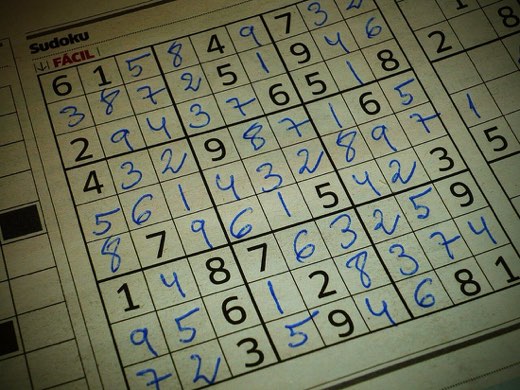
Crosswords, word searches, nonograms and sudoku-style games reward technique. Simple strategies that make puzzles faster and more satisfying.
What tower defense, idle, match-3, roguelike, auto-battler and other genres ask of you, and how to get good at them.
Every genre has its own rhythm. A match-3 puzzle asks for a few minutes of focus at a time, an idle game rewards checking in now and then, and a strategy game can take weeks of planning. Knowing the core loop of a genre helps you choose games you will actually enjoy and helps you improve faster once you start.
Each genre guide explains the basic mechanics, the common traps that slow new players down, and the habits that experienced players rely on.
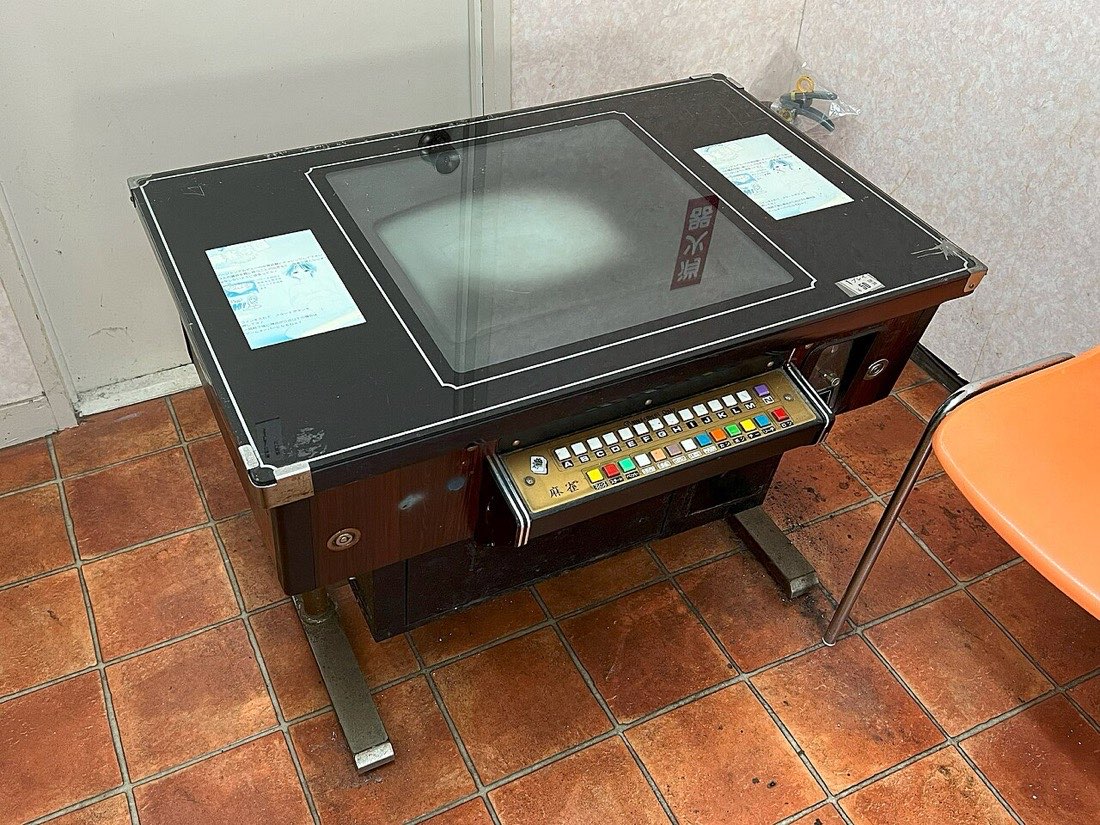
Crosswords, word searches, nonograms and sudoku-style games reward technique. Simple strategies that make puzzles faster and more satisfying.
Character-collecting RPGs revolve around summons, upgrades and daily resources. How to build a strong team and when summons are worth it.
City builders and 4X strategy games unfold over weeks. How build queues, alliances and shields work, and how to progress without constant check-ins.
In auto-battlers, the fights play themselves; your job is drafting units, placing them well and managing gold. The core principles explained simply.
Roguelikes reset you after every defeat, but each run teaches something. How runs, builds and permanent unlocks fit together, and how to improve steadily.
Match-3 games look like luck, but move order, special pieces and level goals reward planning. Practical techniques for limited-move levels.
Idle and incremental games reward checking in rather than constant play. Here is how their numbers grow, what prestige resets do, and how to keep them relaxing.
How tower defense games work, why placement matters more than upgrades early on, and a repeatable approach for difficult waves.