Common Mobile Game Scams and How to Spot Them
Free currency generators, fake giveaways, phishing logins and too-good-to-be-true trades. How the most common game scams work and the warning signs to watch for.
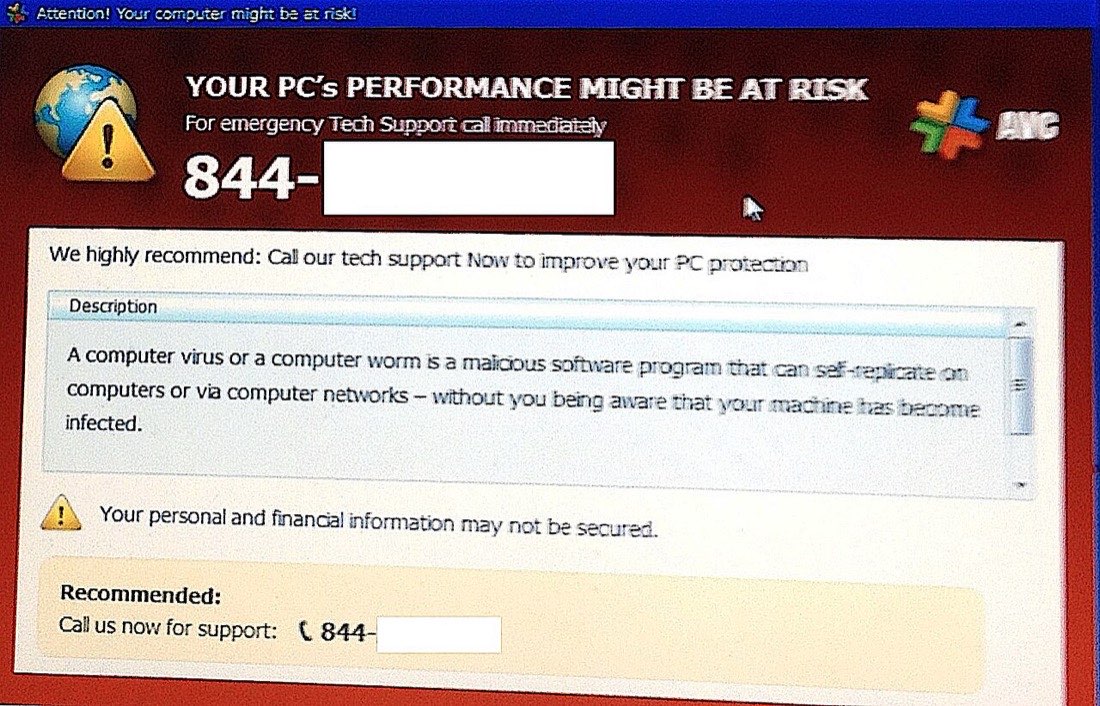
Wherever there is valuable in-game currency, there are scams. Most target players who want something for free or cheaply: premium currency, rare items or a faster way to progress. The good news is that most game scams follow a few recognisable patterns.
The most common scams
| Scam | How it works | What you lose |
|---|---|---|
| Free currency generators | A website promises free gems if you enter your username and complete "verification" | Personal data, time, sometimes account details |
| Fake giveaways | Social media posts promise prizes for clicking a link or sharing login details | Account access |
| Phishing login pages | A copy of a login page captures your password | Account access |
| Trading scams | Another player promises a trade or payment that never arrives | Items or money |
| Fake support | Someone poses as support and asks for your password or code | Account access |
| Discount currency sellers | Cheap currency from unofficial sellers | Money, and possibly an account ban |
Warning signs
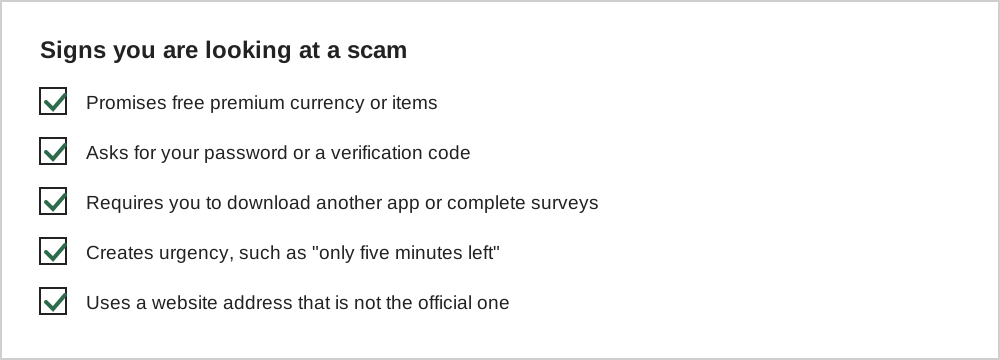
Currency generators that claim to add free premium currency to your account cannot do that; premium currency is stored on the game's servers, which outside websites cannot change. These sites typically make money from your clicks, data or downloads.
Unofficial sellers
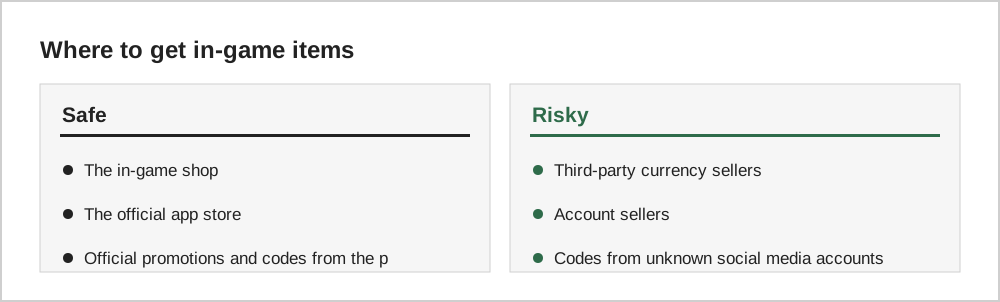
Buying currency or items from unofficial sellers may seem cheaper, but it often breaks the game's terms of service. Some of this currency is bought with stolen payment details, and games may remove it later or ban accounts involved.
Protecting children
Children are frequent targets, because offers of free currency are very tempting. Explain the basic rule clearly: nobody can give you free gems through a website, and nobody from the game will ever ask for your password. Parental controls that require approval for downloads and purchases add another layer. See our parental controls guide.
If you have been scammed
Scams aimed at sellers
Players who sell items or accounts outside official systems face their own risks. Common tricks include fake payment confirmations, payments that are later reversed and buyers who ask for login details to check the account before paying. Most games also ban account sales in their terms, so a sold account can be recovered by the original owner or closed by the publisher.
The safest approach is to trade only through systems built into the game, if they exist. Anything else carries a real risk of losing both the item and the money.
Reporting a scam
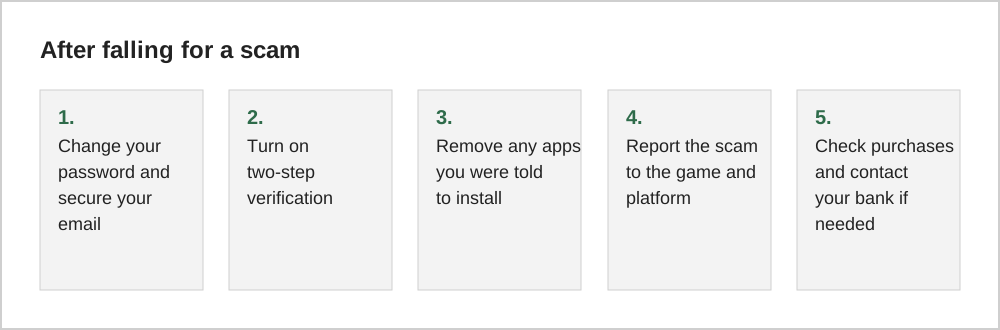
Report scam accounts through the game's built-in reporting tools and to the platform where the contact happened, such as a social network or messaging app. If money was lost, contact your bank or card provider promptly and keep records of messages and payments. In many countries consumer protection or fraud agencies also accept reports.
Common questions
Are promo codes shared online always scams?
Not always. Many publishers share real promo codes through their official social media accounts, newsletters or in-game news. The safe rule is that real codes are entered inside the game or the official store, never on a third-party website that asks for your login. If a site wants your password to apply a code, it is a scam.
What should I do if a friend's account sends me a strange link?
Their account may have been taken over. Do not click the link. Contact your friend through a different channel, such as a phone call or another messaging app, and let them know. Report the message through the game's reporting tools.
Can I get banned for being scammed?
Being the victim of a scam usually does not lead to a ban, but taking part in prohibited trades or buying from unofficial sellers can. Reporting the scam promptly to the game's support team protects you and helps them act against the scammers.
The short version
Free currency generators, fake giveaways and phishing pages all aim for your account or your data. Never share passwords or codes, get items only from the official shop, and treat urgency and "free" as warning signs. Our account security guide covers the protective steps in detail.